Unlocking Calm: Effective Deep Breathing Exercises for Ultimate Relaxation
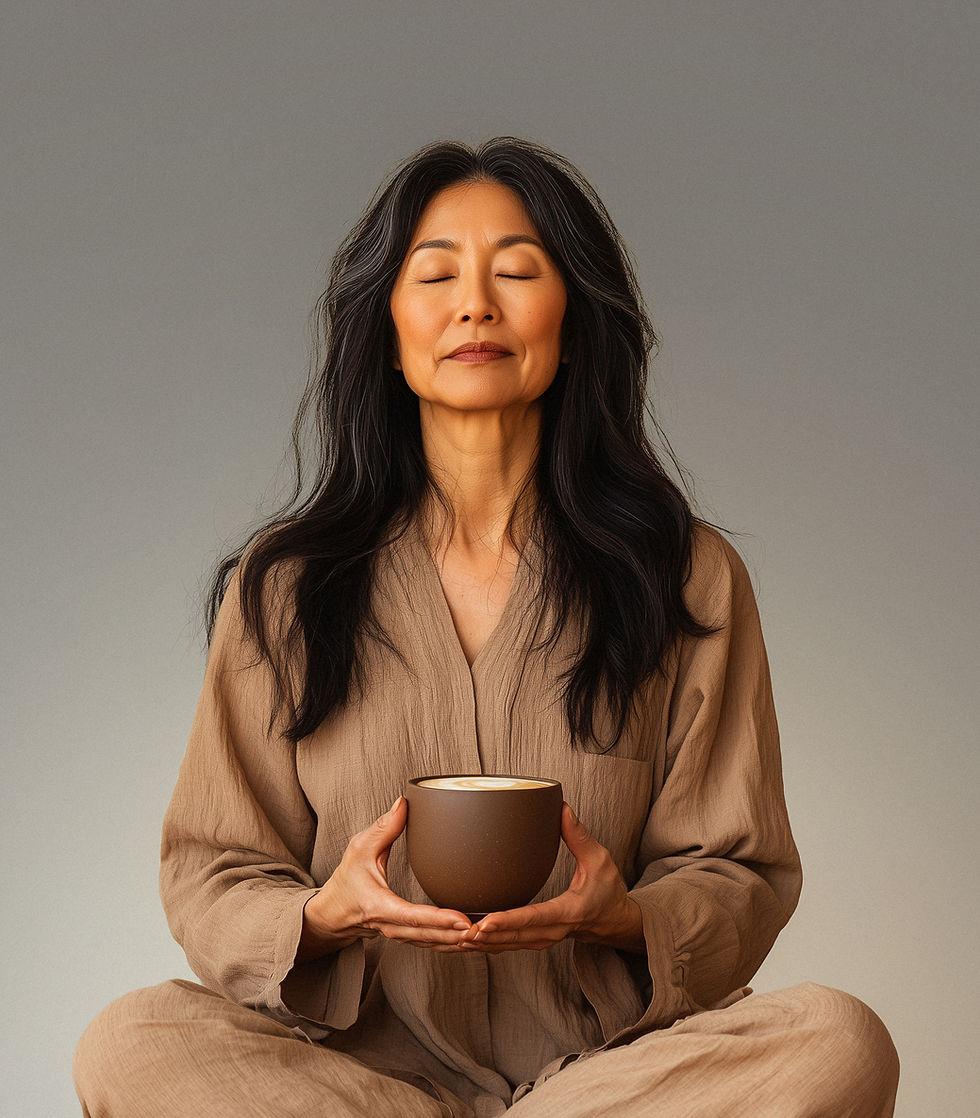
Stress and tension can build up quickly in everyday life, leaving many feeling overwhelmed and restless. One of the simplest yet most powerful tools to regain calm and balance is deep breathing. This natural technique helps activate the body’s relaxation response, easing both mind and body. In this post, you will discover practical deep breathing exercises designed to bring immediate calm and long-term relaxation.
How Deep Breathing Calms the Body
When you breathe deeply, you send a signal to your brain to relax. This slows the heart rate, lowers blood pressure, and reduces stress hormones. Shallow, rapid breathing often accompanies anxiety and tension, but deep breathing reverses this pattern. It encourages oxygen flow to the brain and muscles, improving focus and reducing feelings of panic.
Research shows that practicing deep breathing regularly can improve sleep quality, reduce symptoms of anxiety, and even lower chronic pain levels. The key is to breathe slowly, fully, and with intention.
Preparing for Deep Breathing Exercises
Before starting, find a quiet and comfortable place where you won’t be disturbed. Sit or lie down with your back straight to allow your lungs to expand fully. You can close your eyes to help focus inward. Wear loose clothing and remove any distractions like phones or loud noises.
Try to set aside at least 5 to 10 minutes for your practice. Consistency matters, so consider making deep breathing a daily habit, especially during stressful moments.
Basic Deep Breathing Technique
This simple exercise is a great starting point for beginners:
Inhale slowly through your nose for a count of 4, feeling your abdomen rise.
Hold your breath gently for a count of 4.
Exhale slowly through your mouth for a count of 6, feeling your abdomen fall.
Pause briefly before the next inhale.
Repeat this cycle 5 to 10 times. Focus on the sensation of air filling your lungs and the calm that follows each exhale. This pattern helps slow your breathing rate and activates relaxation.
Box Breathing for Focus and Calm
Box breathing, also known as square breathing, is a structured technique used by athletes and professionals to maintain calm under pressure. It involves equal counts for each phase:
Inhale through your nose for 4 seconds.
Hold your breath for 4 seconds.
Exhale through your mouth for 4 seconds.
Hold your breath again for 4 seconds.
Repeat this cycle 4 to 6 times. The rhythm creates a steady pattern that calms the nervous system and sharpens concentration. You can adjust the counts to longer durations as you become more comfortable.
4-7-8 Breathing to Reduce Anxiety
This exercise is designed to quickly reduce anxiety and promote sleep:
Breathe in quietly through your nose for 4 seconds.
Hold your breath for 7 seconds.
Exhale completely through your mouth for 8 seconds, making a whooshing sound.
Repeat this cycle 4 times initially, then increase as needed. The extended exhale helps release tension and signals your body to relax deeply. Many people find this technique helpful before bedtime or during moments of acute stress.
Diaphragmatic Breathing for Full Relaxation
Also called belly breathing, diaphragmatic breathing engages the diaphragm muscle fully, promoting deep oxygen exchange:
Place one hand on your chest and the other on your belly.
Inhale deeply through your nose, making sure your belly rises more than your chest.
Exhale slowly through pursed lips, feeling your belly fall.
Continue for 5 to 10 minutes.
This method strengthens the diaphragm and encourages full lung capacity. It reduces the effort of breathing and calms the mind by focusing attention on the breath’s movement.
Tips for Successful Deep Breathing Practice
Practice in a quiet, comfortable space.
Use a timer or app to keep track of your breathing cycles.
Wear comfortable clothing that doesn’t restrict your abdomen.
Avoid forcing your breath; keep it smooth and natural.
Combine deep breathing with gentle stretches or meditation for enhanced relaxation.
Be patient—relaxation improves with regular practice.
When to Use Deep Breathing Exercises
Deep breathing can be used anytime you feel stressed, anxious, or overwhelmed. It works well before public speaking, exams, or difficult conversations. It also helps during physical pain or when you have trouble sleeping. Many people find it useful to start the day with deep breathing to set a calm tone or to unwind before bed.
Final Thoughts on Deep Breathing for Relaxation
Deep breathing is a powerful, accessible tool that anyone can use to reduce stress and promote relaxation. By practicing simple techniques like box breathing or diaphragmatic breathing, you can calm your nervous system and improve your overall well-being. The key is to make deep breathing a regular part of your routine and to approach it with patience and attention.


Comments