Healing Your Gut: Understanding the Impact of Leaky Gut on Your Wellbeing
Updated: Aug 6
If you feel like you are doing everything right—eating well, exercising, managing stress—but still feel off, tired, or unwell, your gut health might be the missing piece. Many people overlook the role of the gut in overall wellbeing. One condition that often goes unnoticed is leaky gut, which can affect your body in surprising ways. Healing and sealing your gut may be the key to feeling better and regaining your health.

What Is Leaky Gut?
Leaky gut, also known as increased intestinal permeability, happens when the lining of your small intestine becomes damaged. Normally, this lining acts as a barrier, controlling what passes from your gut into your bloodstream. When it becomes "leaky," harmful substances like toxins, bacteria, and undigested food particles can escape into the bloodstream. This triggers inflammation and immune reactions that can affect your whole body.
How Leaky Gut Affects Your Wellbeing
Leaky gut can cause a wide range of symptoms that often seem unrelated to digestion. These include:
Fatigue and low energy
Brain fog and difficulty concentrating
Joint pain and inflammation
Skin problems like eczema or acne
Food sensitivities and allergies
Mood swings, anxiety, or depression
Because these symptoms overlap with many other conditions, leaky gut is often missed or misdiagnosed. Yet, healing your gut lining can reduce these symptoms and improve your quality of life.
Common Causes of Leaky Gut
Several factors can contribute to the development of leaky gut:
Poor diet: High intake of processed foods, sugar, and alcohol can damage the gut lining.
Chronic stress: Stress hormones affect gut barrier function and increase inflammation.
Medications: Long-term use of antibiotics, NSAIDs, or steroids can disrupt gut health.
Infections: Gut infections or imbalances in gut bacteria (dysbiosis) can weaken the intestinal lining.
Underlying health conditions: Autoimmune diseases, celiac disease, and inflammatory bowel disease are linked to increased gut permeability.
Understanding these causes helps you identify what might be affecting your gut and how to address it.
Steps to Heal and Seal Your Gut
Healing your gut requires a combination of lifestyle changes and targeted nutrition. Here are practical steps to support gut repair:
1. Improve Your Diet
Focus on whole, nutrient-dense foods that support gut health:
Eat plenty of vegetables, fruits, and fiber-rich foods to feed beneficial gut bacteria.
Include fermented foods like yogurt, kefir, sauerkraut, and kimchi to introduce probiotics.
Choose healthy fats such as olive oil, avocado, and omega-3 rich fish.
Avoid processed foods, refined sugars, and artificial additives that irritate the gut.
Consider eliminating gluten and dairy. This really helps!
2. Manage Stress
Chronic stress harms your gut lining. Try stress-reducing techniques such as:
Mindfulness meditation or deep breathing exercises
Regular physical activity like walking or yoga
Prioritizing sleep and rest
Spending time in nature or engaging in hobbies you enjoy
Acupuncture & Oriental Medicien can help!
3. Support Gut Healing with Supplements
Certain supplements may help repair the gut lining, but always consult a healthcare provider before starting:
L-glutamine: An amino acid that fuels intestinal cells and supports repair.
Zinc: Important for maintaining gut barrier integrity.
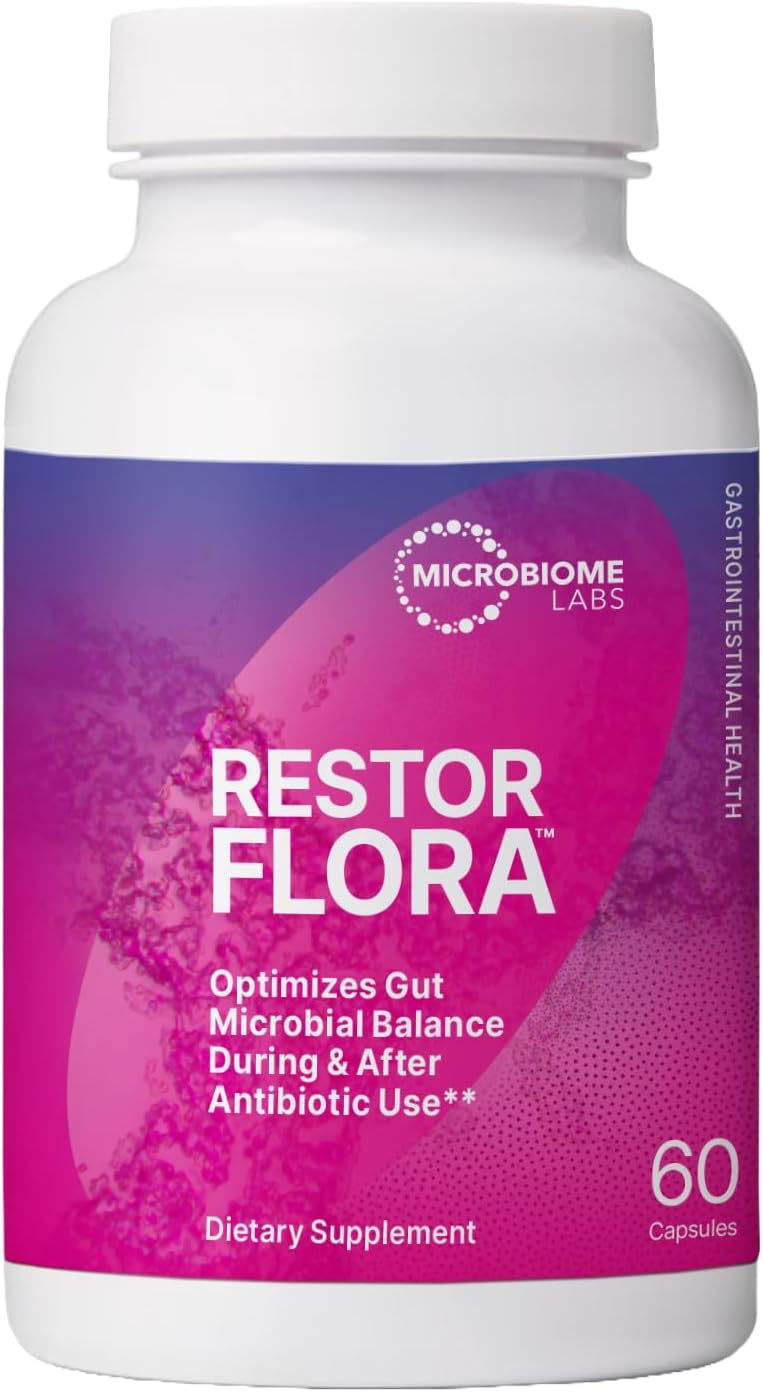
Probiotics: To restore healthy gut bacteria balance.
Digestive enzymes: To improve digestion and reduce gut irritation.
4. Avoid Gut Irritants
Limit or avoid substances that can worsen leaky gut:
Alcohol and caffeine in excess
Non-steroidal anti-inflammatory drugs (NSAIDs) unless prescribed
Smoking and environmental toxins
Wheat, dairy, sugar, nuts, eggs, fish, shellfish are all on the possible allergen list.
5. Address Underlying Health Issues
If you have autoimmune conditions or chronic infections, work with your healthcare provider to manage these effectively. Healing your gut often requires a comprehensive approach.
Real-Life Example
Consider Sarah, a 35-year-old woman who struggled with fatigue, brain fog, and skin breakouts despite a healthy lifestyle. After learning about leaky gut, she adjusted her diet to include more fermented foods, cut out processed snacks, and added L-glutamine supplements. She also started daily meditation to reduce stress. Within a few months, Sarah noticed clearer skin, better focus, and more energy. Her experience shows how healing the gut can transform wellbeing.
When to Seek Professional Help
If you suspect leaky gut but symptoms persist or worsen, consult a healthcare professional. They can run tests to rule out other conditions and guide you through a personalized treatment plan. Remember, healing your gut is a process that takes time and patience.
Healing your gut can unlock better health and vitality. If you feel like you are doing everything right but still feel bad, consider that your gut might need attention. By understanding leaky gut and taking steps to heal and seal your intestinal lining, you can reduce inflammation, improve digestion, and support your overall wellbeing. Start with small changes in diet and lifestyle, and watch how your body responds. Your gut health is a foundation worth investing in.
Click here to Schedule a gut rehab consultation!


Comments